Two racket sports. Two very different experiences. The only question is: which one fits you better?
Racket sports are having a big moment around the world. From padel courts to indoor sports clubs, more people are picking up rackets and discovering how fun and social these games can be.
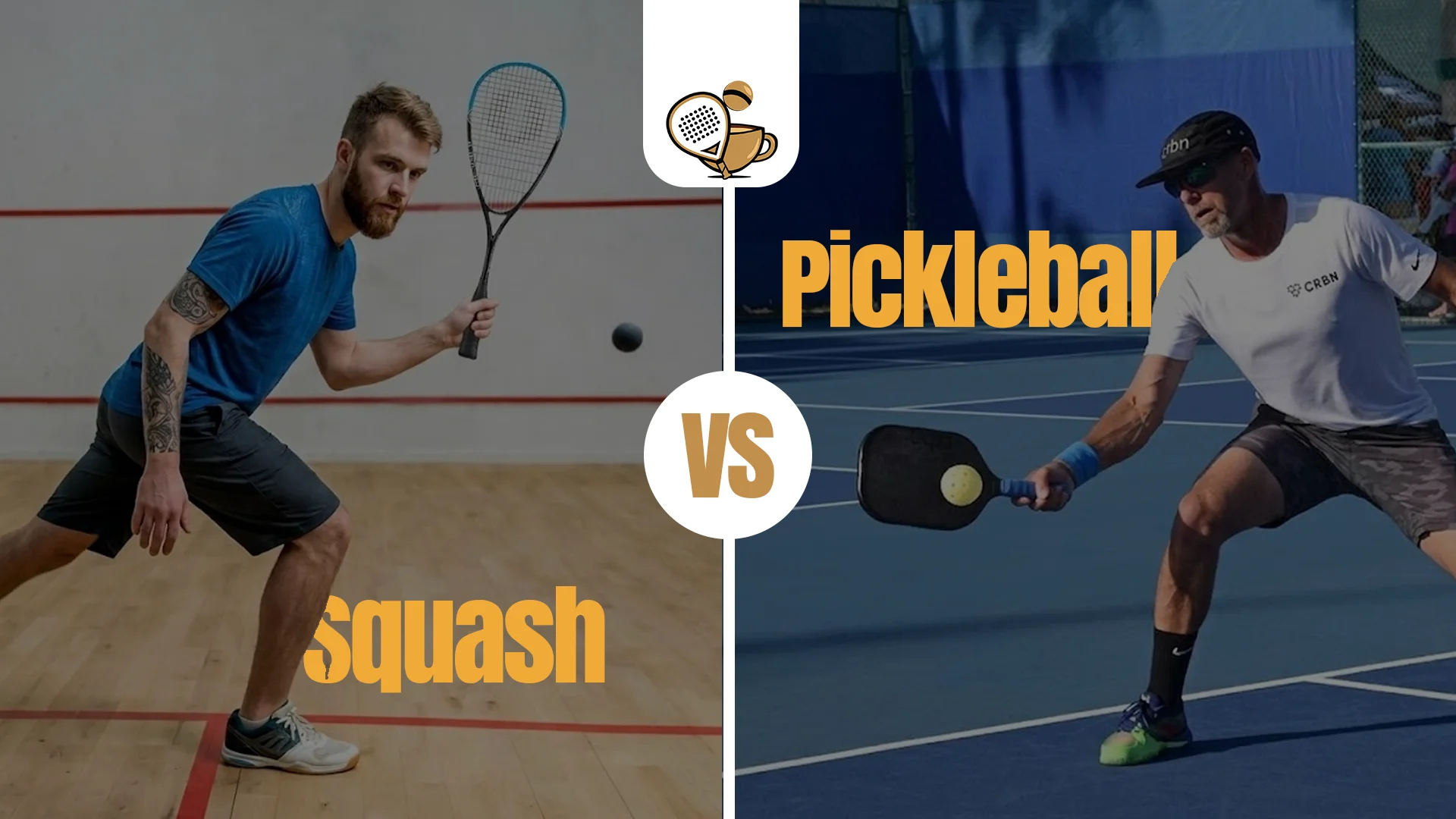
Among the many options available today, two sports are gaining attention for very different reasons: squash and pickleball. Both sports have strong player communities and are popular among racquet sport enthusiasts. However, there are some key differences that lend each its own identity.
But popularity does not automatically mean it is the right sport for everyone. So, if you are deciding between squash and pickleball, this guide will help you understand the differences between them and choose the one that suits you best.
Understanding the Basics of Squash and Pickleball
Before comparing the two sports, it helps to understand what each one actually involves. While both use rackets and balls, the way they are played is quite different.
What Is Squash?
Squash is an indoor racket sport played inside a four-walled court. Squash has been played for over a century and remains popular in many countries, especially in Europe, the Middle East, and parts of Asia. Two players take turns hitting a small rubber ball against the front wall.
The goal is simple: hit the ball in a way that makes it difficult for your opponent to return. Because the ball rebounds quickly and the court is enclosed, rallies can become very fast and intense.
Players must constantly move around the court quickly to reach the ball before it bounces twice. This makes squash a very energetic sport that requires speed, quick reactions, and good stamina.
What Is Pickleball?
Pickleball is a paddle-based racket sport with good popularity. It has become the fastest-growing sport in the United States for several years. According to the Sports & Fitness Industry Association, around 19.8 million Americans played pickleball in 2024, highlighting how rapidly the sport is expanding worldwide.
- It combines elements of tennis, badminton, and table tennis.
- The game is played on a smaller court that resembles a badminton court.
- Players use solid paddles and a lightweight perforated plastic ball.
- It can be played as singles or doubles, but doubles matches are more common.
Why is it popular? One reason pickleball has become so popular is that the rules are simple and the court is small. This makes it easier for beginners to learn the game quickly.
Because of this accessibility, people of all ages—from teenagers to retirees—are now enjoying pickleball in parks, clubs, and sports centers.
Key Differences Between Squash and Pickleball
Although both are racket sports, the experience of playing squash and pickleball is very different. Understanding these differences can help you choose the right one. Let’s take a quick look at these differences.
Feature | Squash | Pickleball |
Court Type | Indoor court with four walls where the ball rebounds during rallies. | Open court with a net, similar to a badminton layout. |
Equipment | Stringed racket and a small rubber squash ball. | Solid paddle and a lightweight plastic ball with holes. |
Game Speed | Fast-paced with quick reactions and intense rallies. | Slower and easier to control for beginners. |
Calories Burned | Around 600–800 calories per hour depending on intensity. | Around 350–500 calories per hour during recreational play. |
Learning Difficulty | Slightly harder to learn due to wall angles and fast ball movement. | Easier to learn with simple rules and slower gameplay. |
Best For | Players who enjoy intense workouts and competitive matches. | Players looking for a social and beginner-friendly sport. |
Now, let’s have a deeper look at the differences between the two racket sports.
1. Court Size and Playing Environment
One of the biggest differences between the two sports is where they are played.
Squash is played inside a closed court with four walls. The walls are part of the game, so the ball can bounce off them multiple times during a rally. This creates fast and unpredictable exchanges.
Pickleball, however, is played on an open court similar to tennis. The court is smaller than a tennis court and uses a net-based layout rather than walls like a squash court.
Because squash is indoors, the game feels more intense and confined. Pickleball, being open and often outdoors, usually feels more relaxed and social.
Equipment Used
The equipment used in both sports also differs.
In squash, players use lightweight rackets and a small rubber ball that does not bounce very high. This means players must move quickly and stay close to the ball.
Pickleball uses solid paddles instead of string rackets. The ball is made of plastic and has holes, which slow it down. There are also indoor and outdoor pickleball balls, suited to gameplay in the respective environments.
Speed and Physical Intensity
Squash is often considered one of the most physically demanding racket sports. Players must sprint, turn, and react quickly during long rallies. A single match can involve constant movement and quick changes in direction.
Pickleball is generally less intense. The smaller court means players do not need to run as much, and the slower ball allows more time to react. This difference is one reason pickleball appeals to a wider range of ages and fitness levels.
2. Learning Curve and Difficulty
If you are new to racket sports, learning difficulty can be an important factor.
Learning Squash
Squash can take time to learn. The ball moves quickly, and the court walls create many angles that beginners must understand.
New players often need several sessions before they feel comfortable controlling the ball and moving around the court. However, once players learn the basics, squash becomes extremely rewarding and exciting to play.
Learning Pickleball
Pickleball is widely considered a sport that is easy to learn. The rules are simple, the court is smaller, and the ball moves more slowly than in many other sports.
Many beginners can start enjoying the game within their first session. This quick learning curve is one of the biggest reasons the sport has grown so rapidly worldwide.
3. Fitness Benefits of Squash vs Pickleball
Both sports provide excellent exercise, but the types of workouts they offer are slightly different.
Fitness Benefits of Squash
Squash is known for providing a full-body workout. The constant movement helps improve cardiovascular health, stamina, and agility. Players often burn a large number of calories during a single match.
Because rallies can be long and intense, squash is great for people who enjoy high-energy sports.
Fitness Benefits of Pickleball
Pickleball still offers great exercise, but at slightly lower intensity. Players move around the court, react to shots, and stay active throughout the game. It improves coordination, balance, and reflexes.
Since it is less physically demanding than squash, pickleball is easier for beginners and older players to enjoy regularly.
4. Social Experience and Community
Another factor that separates these two sports is the social environment they create.
The Social Side of Squash
Squash is often played in sports clubs or gyms. Matches are usually one-on-one, which makes the experience more competitive and focused. Players who enjoy intense matches and personal competition often find squash very satisfying.
The Social Side of Pickleball
Pickleball is known for its social atmosphere. Most games are played in doubles, which means four players share the court. Many clubs organize friendly matches and community events.
Because of this, pickleball often feels more like a social activity where people meet new friends while staying active.
5. Costs and Accessibility
Practical factors such as cost and availability also matter when choosing a sport.
Cost of Playing Squash
Squash courts are usually located inside sports clubs or gyms. This means players may need membership or booking fees.
Equipment costs are moderate, but court access can sometimes be limited depending on the facility.
Cost of Playing Pickleball
Pickleball is generally easier to access. Pickleball courts can be built outdoors, and many parks now include them. Equipment is also relatively affordable, with paddles and balls typically costing less than equipment used in many other racquet sports.
Because of this accessibility, pickleball continues to attract new players every year.
Which Racket Sport Should You Choose?
Let’s now address the main question we have at hand.
Choosing between squash and pickleball depends on your personal preferences.
- If you enjoy fast-paced competition and high-intensity workouts, squash may be the perfect sport for you. The quick rallies and enclosed court create a thrilling challenge for players who love speed and strategy.
- If you prefer a sport that is easier to learn, social, and relaxed, pickleball might be the better choice. Its simple rules and friendly environment make it ideal for beginners and casual players.
Ultimately, both sports offer fun, fitness, and a great way to stay active.
Final Words
Both squash and pickleball are exciting racket sports, but they offer very different experiences. Squash is fast, intense, and physically demanding, making it perfect for players who enjoy high-energy competition. Pickleball is easier to learn, more social, and accessible for players of all ages.
The best choice depends on what you enjoy most. If you like speed and challenges, try squash. If you prefer a relaxed and friendly game, pickleball might be a sport for you.
Frequently Asked Questions
Is squash harder than pickleball?
In the squash vs. pickleball vs. racquetball conversation, squash is generally harder than pickleball for beginners. The game is played on a closed court with very fast ball movement and requires quick reactions, stamina, and precise positioning.
Which sport burns more calories, squash or pickleball?
In the squash sport vs pickleball debate, squash usually burns more calories than pickleball because it involves rapid movements — constant sprinting, quick direction changes, and intense rallies. Pickleball still provides good exercise but generally requires less running and physical effort.
Do squash and pickleball use the same equipment?
No, squash uses string rackets and a rubber ball, while pickleball uses solid paddles and a lightweight plastic ball with holes.
How Many Calories Do You Burn Playing Pickleball?
A recreational pickleball game typically burns around 350–500 calories per hour, depending on body weight and playing intensity. Singles’ matches, or competitive games, can burn even more.

0 Comments